

Everything you need to know about EPC ratings
What EPC ratings mean for your home, your bills, and what you may need to do next.
Last updated on
Jul 27, 2026 14:44


If you’re a homeowner, your Energy Performance Certificate (EPC) can highlight ways to improve efficiency and reduce energy use. If you’re buying or selling, it helps you compare properties more clearly. And if you’re a landlord, it’s part of meeting your legal responsibilities.
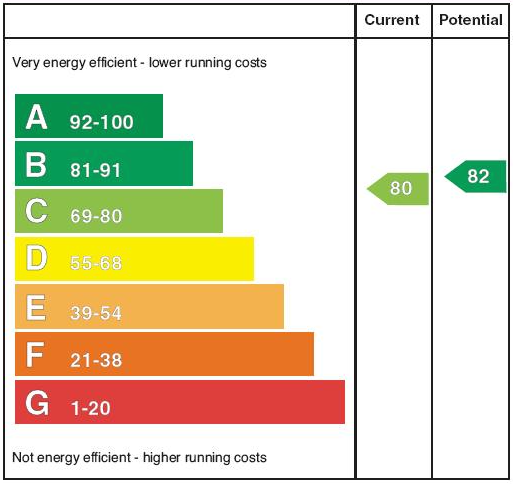
An energy performance certificate (EPC) shows how energy efficient a property is, based on the building itself – not how you personally use energy. It looks at things like insulation, heating systems, windows, and lighting, then gives the home an energy efficiency rating from A to G, where A is the most efficient and G the least.
EPCs also give you two useful snapshots:
That difference between current and potential is often the real eye-opener. It shows what’s already working – and what could be improved with the biggest impact.
You’ll usually see the following on an EPC:
EPCs are valid for 10 years, and you’ll normally need one when a property is built, sold, or rented out.
Your EPC rating affects more than just a letter on a chart. It plays a practical role in running costs, property appeal, and legal requirements.
A stronger rating can suggest that a property may use energy more efficiently and could cost less to heat and power, although actual costs will vary depending on the home, energy prices, and how the property is used.. That’s why EPCs are often one of the first things buyers and tenants look at when comparing homes – and why understanding EPC ratings is becoming increasingly important.
Here’s how your EPC rating tends to show up in real life:
If you’re a landlord, EPC ratings are especially important because they’re linked to the minimum energy efficiency standards (MEES), which set the lowest rating a property can legally be rented at.
EPC rating reflects how much energy a property is likely to use for everyday needs like heating, hot water, and lighting, based on the building’s features.
Behind each letter is a numerical score. The higher the score, the more efficient the property. Here’s a simple breakdown of what each band generally means:
The table gives a quick snapshot, but context matters. Older homes, flats, and properties in certain locations may score lower even if they’re well looked after. That’s why it’s useful to look beyond the letter alone.
In most cases, A, B, or C is considered a good EPC rating. Homes in these bands are generally cheaper to run and easier to live in day to day.
That said, a “good” rating also depends on what’s realistic for the property. A solid C rating in an older home can be just as meaningful as a B in a newer one.
The “best” EPC rating is often the one that balances efficiency with practicality. New-builds and recently renovated homes may reasonably aim for an A or B, while older properties may be doing well to reach a C or D without major work.
Rather than chasing the top band, it’s usually more helpful to focus on improving from where you are now – especially if the EPC shows clear steps that could lift your score over time.
EPC ratings are closely linked to running costs. Homes with higher ratings typically use less energy to stay warm and well-lit, which can help keep bills lower over time.
They can also influence how a property is perceived. A clearer picture of energy use may help buyers and tenants compare properties more easily, although decisions to buy or rent depend on a range of factors beyond EPC ratings alone.
Improving your EPC rating is about reducing how much energy your home needs to stay comfortable. That usually means cutting heat loss, upgrading inefficient systems, or making better use of the energy you already use.
Can you improve your EPC rating?
A common question we hear a lot – and the short answer is yes, for most homes. The key is knowing which changes are likely to make a meaningful difference.
A good place to start is Habito’s EPC improvement tool, which shows tailored suggestions based on a specific property. By entering a postcode (for example, BD2 4LH), the tool highlights potential upgrades and areas that may help improve the rating, depending on the property and the changes carried out. It’s designed to help you prioritise changes, rather than tackling everything at once.
Smaller upgrades can still improve efficiency, depending on the property:
These changes are often quicker to do and can improve comfort even if the EPC score only moves slightly.
Larger upgrades can have a bigger impact on the rating in some properties, particularly in older or less efficient homes:
One important thing to note: improvements won’t usually be reflected in your EPC until a new certificate is issued. If you want the rating to show the upgrades you’ve made, you’ll need to arrange a fresh assessment.
Some households may be eligible for financial support or grants to help with energy-efficiency improvements, although availability and eligibility criteria can vary.
If you’re looking beyond EPC-specific upgrades, Habito also shares practical ways to reduce your energy use that can help cut waste day to day.
Checking an EPC rating is usually straightforward – as long as the property already has one on record.
For homes in England and Wales, you can look up an existing certificate through the government’s energy certificate register. You’ll need the property’s postcode, and in some cases the house number or name. If an EPC has been issued and is still valid, it should appear there.
If you can’t find a result, it usually means one of three things:
Only properties with a registered EPC will show up in the database.
If you’re in Scotland, EPCs are handled slightly differently. They’re typically included as part of a Home Report, and are listed on a separate Scottish register rather than the England and Wales system.
If your property doesn’t have a valid EPC – or you need a new one because the old certificate has expired – you’ll need to arrange an assessment. You can find an approved energy assessor through the government website to get a new EPC issued.
The cost of an EPC isn’t fixed, and it can vary depending on the property being assessed. Factors like the size of the home, its location, and how long the assessment takes all influence the final price.
In most cases, an EPC costs between £60 and £120. Smaller flats or straightforward properties often fall towards the lower end of that range, while larger homes or properties in certain areas may cost more.
The price usually covers:
There’s no set government fee, so different assessors may charge different rates. Getting a quote upfront can help avoid surprises, especially if you’re arranging an EPC as part of a sale or rental listing.
In most cases, you’ll need a valid EPC if you’re selling, renting out, or building a property. However, there are limited situations where an exemption may apply.
Common examples include:
If a property qualifies, the exemption usually needs to be formally registered.
For properties that aren’t exempt, having an EPC is a legal requirement. Sellers and landlords are expected to have a valid certificate in place, and landlords must also meet minimum energy efficiency rules for rented homes.
Failing to comply can result in enforcement action and financial penalties, depending on the situation.
Minimum Energy Efficiency Standards (MEES) set the lowest EPC rating a rental property can have before it can be legally let. Right now, most privately rented homes in England and Wales need an EPC rating of E or above to be rented out.
MEES exists to improve the efficiency of rental housing over time, helping reduce energy use and improve living conditions.
For landlords, MEES determine whether a property can be let at all. If a rental home falls below the minimum rating and no valid exemption applies, it may need improvements before it can be marketed or rented.
This means landlords need to:
Missing these steps may lead to enforcement action or financial penalties, depending on the circumstances and applicable regulations., so staying aware of the current rules – and any proposed changes – is important.
For tenants, MEES are designed to raise the baseline quality of rental homes. Higher minimum standards can mean:
While MEES don’t guarantee low bills, they aim to reduce the worst inefficiencies and improve overall comfort in rented properties.
EPC rules aren’t static, and further changes are already on the horizon – particularly around rental properties and minimum standards.
In Scotland, EPC reforms are expected to come into force from 31 October 2026, as part of wider plans to improve the energy efficiency of homes.
More broadly across the UK, proposals have been discussed to increase minimum EPC requirements for some rental properties to a C rating by 2030. These proposals are not yet confirmed in law and may change as government policy develops.
If EPCs are part of the picture for you, and you’d like a hand figuring out what comes next, let’s talk.
Your home may be repossessed if you do not keep up repayments on your mortgage.
In general, A, B, and C are considered the best energy efficiency ratings. These homes tend to be better insulated and need less energy for heating, hot water, and lighting.
Here’s a quick guide to how the ratings usually stack up:
What’s “best” also depends on the type and age of the property. A solid C rating in an older home can be just as realistic – and valuable – as a B in a newer one.
You can sell a property with an EPC rating below E, as long as you have a valid certificate in place.
Renting is different. In most cases, landlords can’t legally rent out a property with an EPC rating below E, unless a valid exemption applies. These rules fall under the minimum energy efficiency standards (MEES), which are designed to prevent the least efficient homes being let without improvements.
A smart meter can help you monitor and manage energy use, but it doesn’t directly affect your EPC rating.
EPCs focus on the building itself – things like insulation, heating systems, and windows – rather than how energy is tracked or used day to day. A smart meter can still be useful for spotting waste, even if it doesn’t change the rating.
Yes. Double glazing can improve an EPC rating by reducing heat loss and making a home easier to keep warm.
The impact depends on what’s being replaced. Swapping single glazing for double glazing usually makes a noticeable difference, while replacing older double glazing may have a smaller effect.
Heating is usually the biggest energy cost in most homes, followed by hot water and lighting. Poor insulation, inefficient heating systems, and draughts can all increase how much energy a property needs.
EPCs help highlight these inefficiencies by showing where energy is most likely being lost – and which improvements could reduce overall usage.


You don’t need a mortgage in principle to view a property – but it can give you an edge over other buyers.


Slash your bills and keep it green with a home wind turbine.

Being green has never been so easy


Habito specialises in helping you get the best mortgage or remortgage, all online, for free


